Author: Nathaniel Wallis

  • How to Zone an Open-Plan Living Room Without Building Walls

    How to Zone an Open-Plan Living Room Without Building Walls

    Open-plan living is an Australian architectural staple. We love the bright, airy feel of a home where the kitchen, dining, and lounge areas flow seamlessly into one another. It keeps the family connected and makes weekend entertaining a breeze.

    However, big open spaces come with a common spatial challenge: without walls, a room can easily feel like a chaotic furniture warehouse where everything drifts together. If your TV noise spills straight into the dining area or your sofa feels like it is floating in a void, you need smart room zoning.

    Creating distinct functional zones does not require hiring a carpenter or erecting plasterboard dividers. By using clever furniture orientation, tactile rugs, lighting, and transitional storage pieces, you can organize your open-plan floor plan into cosy, purposeful hubs while preserving that bright, spacious atmosphere.
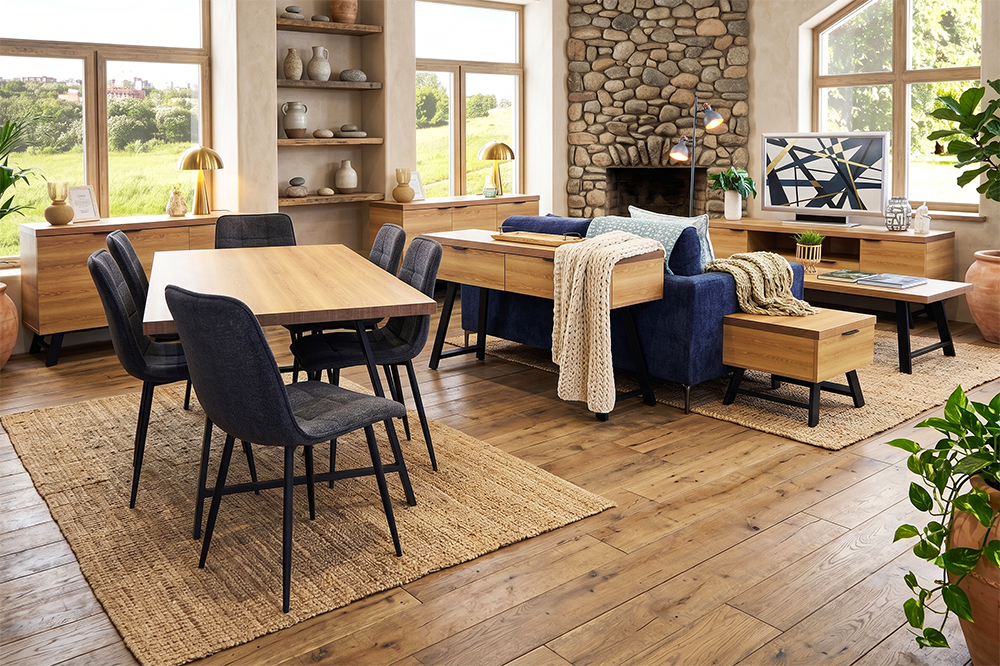
    The Oregon lifestyle & dining range.

    TL;DR: The Quick Zoning Playbook

    Anchor with Your Sofa: Position an L-shaped modular lounge or chaise with its back facing the kitchen or dining area to build a natural room partition.

    Ground Zones with Rugs: Place separate, generous rugs under your lounge and dining suite to visually frame each area as an independent room.

    Use Transitional Storage: Set up low-profile console tables or timber buffets behind your sofa to bridge the gap between living and dining zones.

    Define Height with Lighting: Hang pendant lights over the dining table and use tall floor lamps in the living area to anchor sightlines at different vertical levels.

    1. Float Your Furniture to Create Natural Pathways

    The most common mistake in open-plan homes is pushing every piece of furniture flat against the outer walls. This leaves a massive, empty dance floor in the middle of the room while making your seating area feel disconnected from the rest of the house.

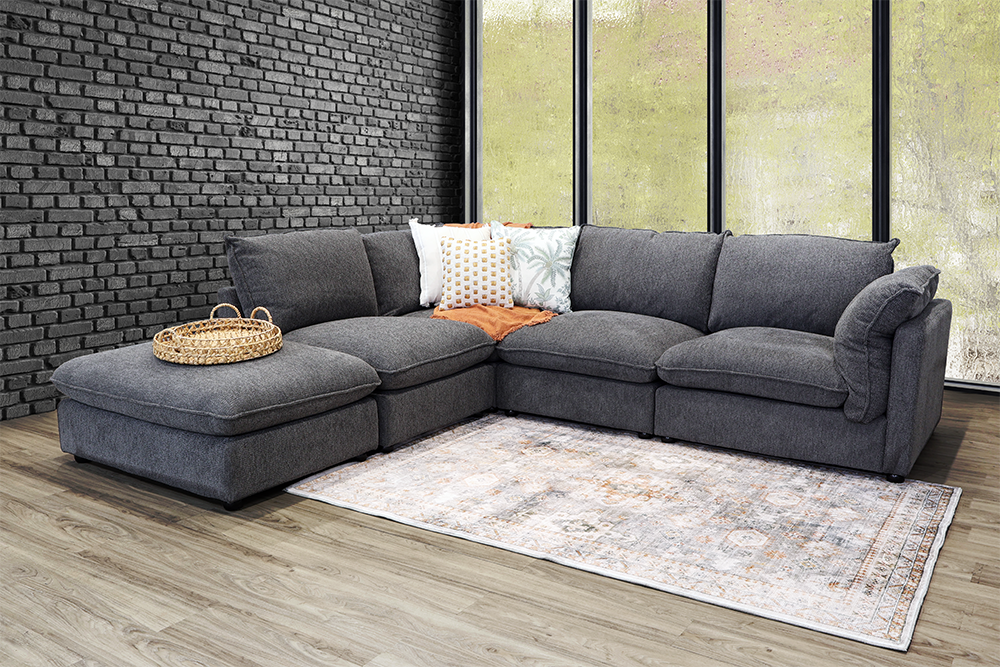
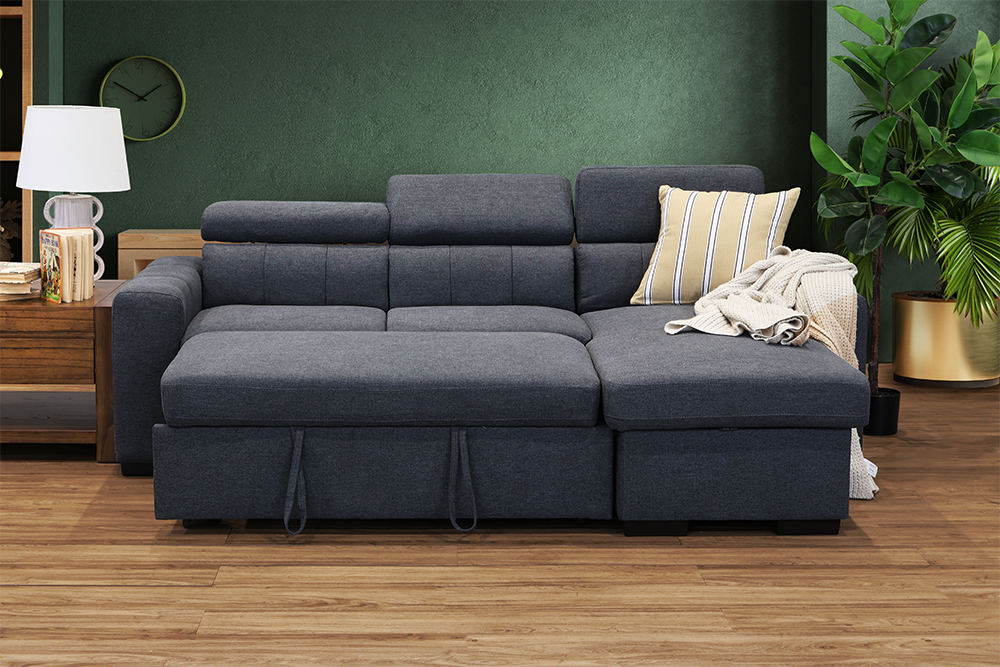
    To build structure, pull your sofa away from the walls and let it float in the room. Positioning an L-shaped modular sofa, such as the Cloud Modular or the Tyson Chaise Lounge, with its back turned toward the kitchen or dining area creates a clear physical boundary.

    The back of the sofa acts as a low-profile room divider. It signals where the living room begins without blocking sightlines across the house. Just make sure you leave at least 80 to 90 centimetres of walking space behind the lounge so traffic flows smoothly through the home.

    2. Anchor Distinct Spaces with Large Area Rugs

    If you have continuous timber, vinyl plank, or tiled flooring running across your entire open-plan layout, adding area rugs is the fastest way to mark spatial boundaries. A rug acts as a visual frame that tells your brain where one room ends and another begins.

    Place a large, textured rug beneath your lounge setup, ensuring at least the front legs of your sofa, coffee table, and armchairs rest comfortably on top of it. Do the same for your dining space using a low-pile, easy-clean rug that extends at least 60 centimetres past the dining table on all sides so chairs can slide in and out smoothly.

    Using contrasting textures—for example, a plush, high-pile rug in the lounge zone paired with a flat-weave or jute rug under a solid timber dining suite like the Barossa—defines each area instantly while adding rich tactile warmth to your home.
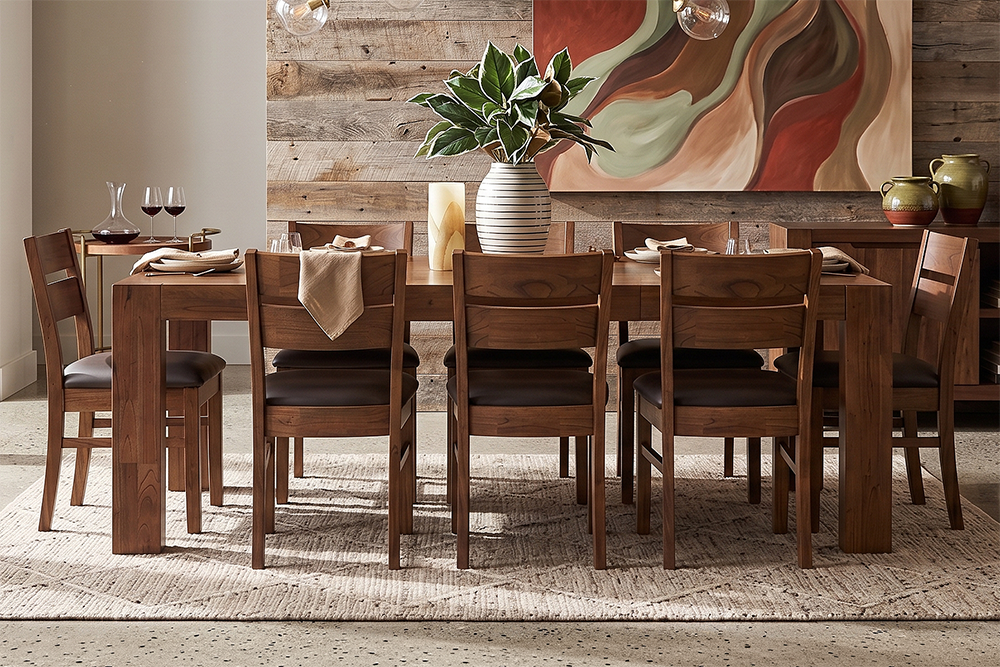
    The Barossa 9 pce dining suite.

    3. Position Consoles and Buffets as Bridge Furniture

    When the back of your sofa faces the dining room or entryway, looking at a blank wall of couch fabric can feel a little stark. You can soften this transition by pairing low-profile storage furniture directly against the back of the sofa.

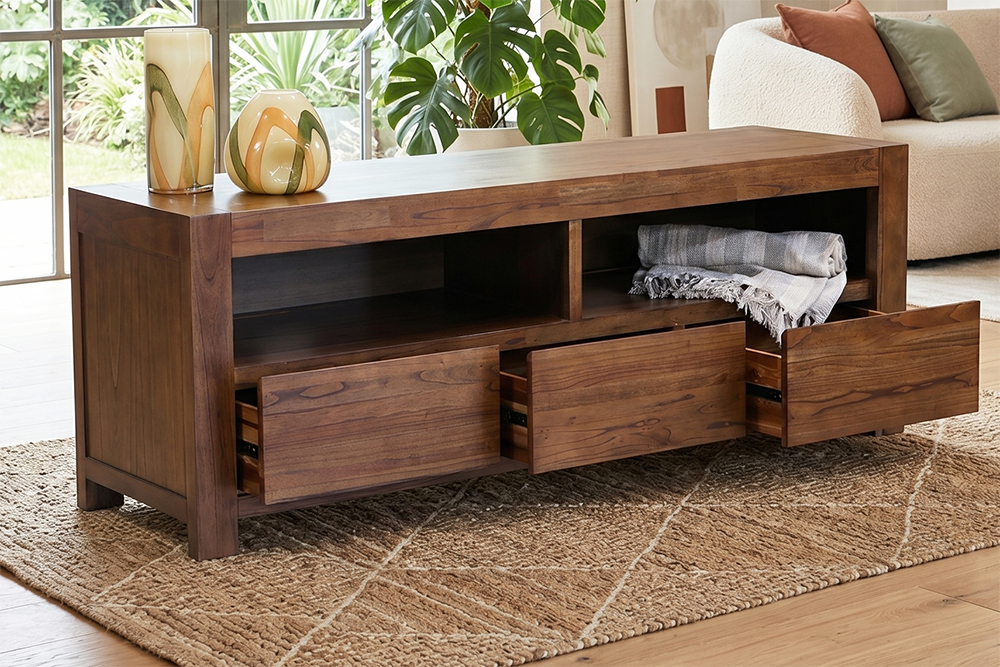
    A slim hall table or console table, such as the Bermuda 2-Drawer Hall Table, fits neatly against the back of a floating lounge. It hides the back of the sofa frame, provides a surface for decorative lamps, books, and ceramic vases, and creates a welcoming view from the dining area.

    Similarly, placing a low timber buffet or sideboard between your kitchen counter and dining table establishes a functional service hub for dinner parties while defining the dining boundary.

    4. Use Vertical Lighting and Display Storage for Height

    Zoning is not just about floor space; it is also about how your eyes move vertically through the room. Without vertical anchor points, large open rooms can feel flat and cavernous.

    Pendant lighting works wonders over a dining table. Hanging a single statement pendant or a cluster light over a round table, like the Cruz Round Dining Table, draws the eye upward and claims that area as a dedicated dining destination.

    In the living zone, introduce tall vertical elements in corners to frame the space. A high display cabinet, an arc floor lamp, or a large indoor leafy plant tucked next to an accent armchair, such as the Alicia Swivel Chair, adds height and creates a cosy reading nook within your broader floor plan.
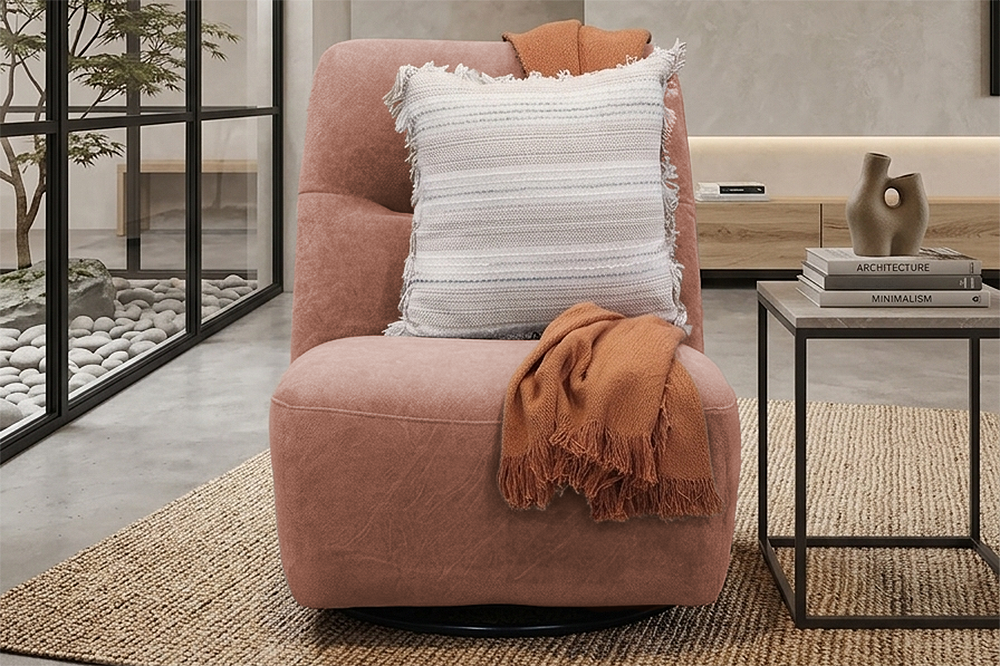
    The Alicia swivel chair.

    5. Maintain Colour Harmony Without Going Overboard

    While you want your living and dining areas to feel like separate functional zones, they still need to look like they belong in the same home. Using completely different design themes in every corner makes an open-plan house feel disjointed.

    The key is establishing a recurring accent colour or material thread across all zones.

    If you choose a warm timber dining suite, weave that same timber tone into your living room through your coffee table, TV unit, or picture frames. If your lounge features soft grey fabric cushions, throw matching grey linen napkins or seat pads onto your dining chairs. This shared palette creates a gentle visual rhythm across the entire open space.

    Frequently Asked Questions

    What is the best dining table shape for a small open-plan layout?

    Round dining tables are ideal for compact or awkward open-plan spaces. Because they lack sharp corners, round tables improve traffic flow and allow people to walk around them easily. Pairing a round table with a square or rectangular coffee table in the adjacent lounge zone also helps visually separate the two areas.

    How do I stop kitchen noise from overpowering the living area in an open home?

    Hard surfaces like stone benchtop islands, glass splashbacks, and tiled floors reflect sound waves. Introducing soft furnishings—such as lined curtains, upholstered dining chairs, fabric lounges, and thick floor rugs—absorbs sound reflections and keeps acoustic noise down when someone is cooking while others watch TV.

    Should my dining table match my coffee table in an open-plan room?

    They do not need to match identically, but they should share a common design language. Instead of buying exact matching timber sets, try mixing materials that share similar undertones. For instance, pair a solid oak dining table with a coffee table featuring black metal legs and a matching oak top to maintain continuity without looking overly rigid.
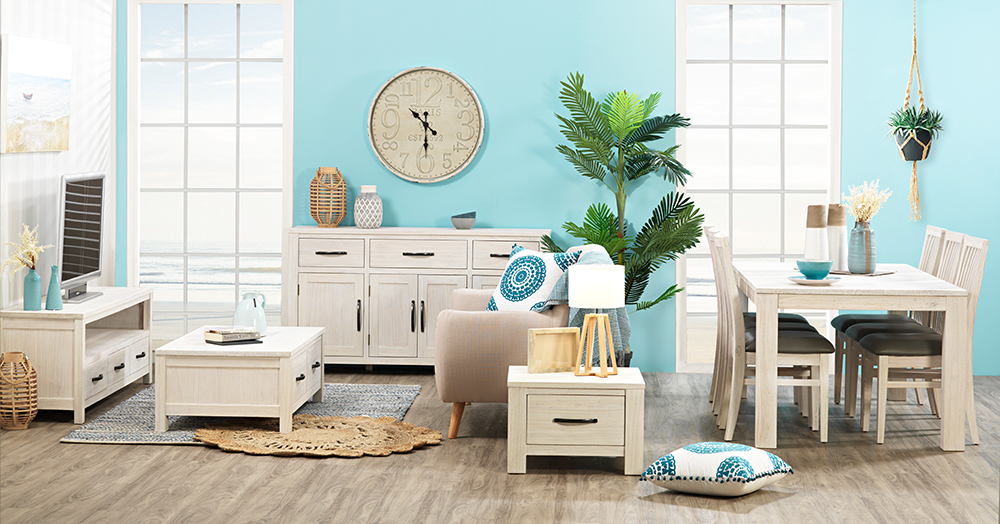
    The Newcastle lifestyle & dining range.

    Create Your Ideal Open-Plan Home with ComfortStyle

    Zoning an open-plan living room is all about making thoughtful choices that suit your family’s daily habits. By positioning floating modulars, grounding spaces with plush rugs, and layering soft lighting, you can enjoy the spacious freedom of open-plan living with the cosy organization of defined rooms.

    Need help finding the right scale and layout for your floor plan? Visit your nearest ComfortStyle store across Perth and Western Australia to explore our modular lounges, dining suites, and occasional furniture in person, or browse our complete living collection online today.
  • Fabric vs Leather Lounges: Which Sofa Upholstery Wins for Your Australian Living Room?

    Fabric vs Leather Lounges: Which Sofa Upholstery Wins for Your Australian Living Room?

    Buying a new sofa is one of the biggest investments you’ll make for your home. You spend hundreds of hours on it watching movies, catching up with friends, and unwinding after a long work day.

    When you start browsing for lounges online or stepping into a furniture showroom, the very first big decision hits you: fabric or leather?

    Both options look fantastic, but they behave very differently once you bring them home to face real-life Australian conditions—think hot summers, muddy pet paws, sticky toddler fingers, and direct sunlight beaming through the window.

    To help you skip the guesswork, we put fabric and leather side-by-side so you can pick the exact right sofa material for your family, lifestyle, and budget.

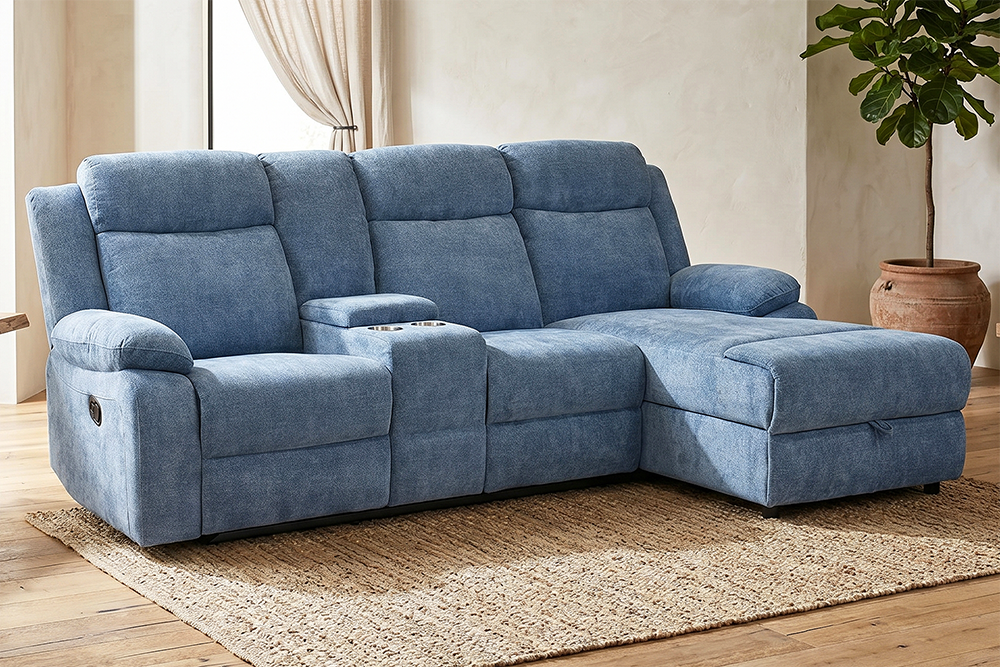
    The Albion modular.

    TL;DR: Quick Decision Summary

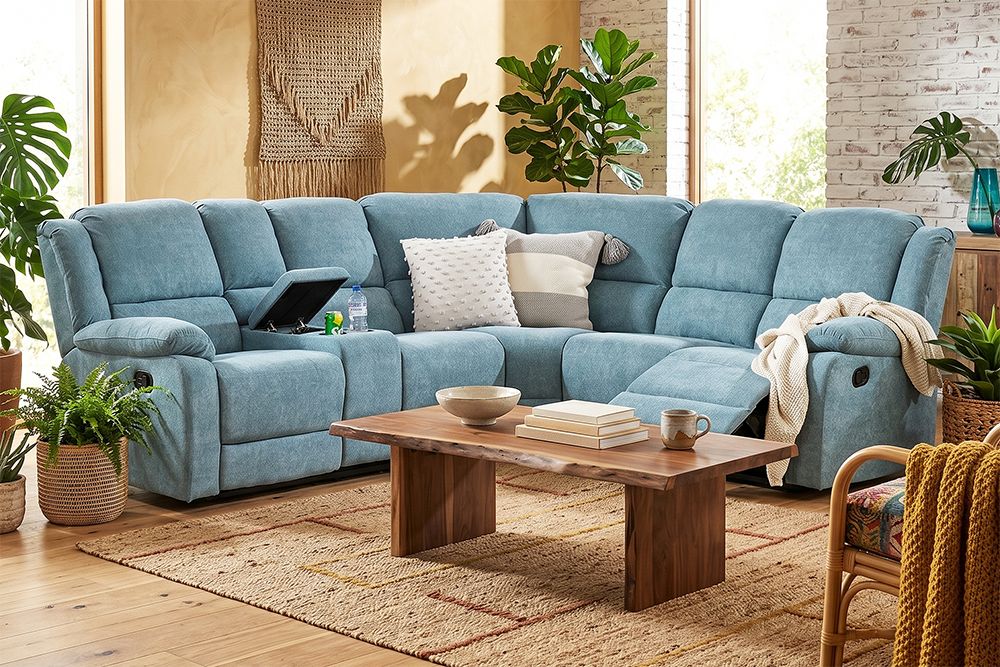
    Choose a Fabric Lounge if: You want maximum cosy comfort, budget flexibility, endless colour and texture choices, or a lounge featuring stain-repellent performance material like our Cloud Modular.

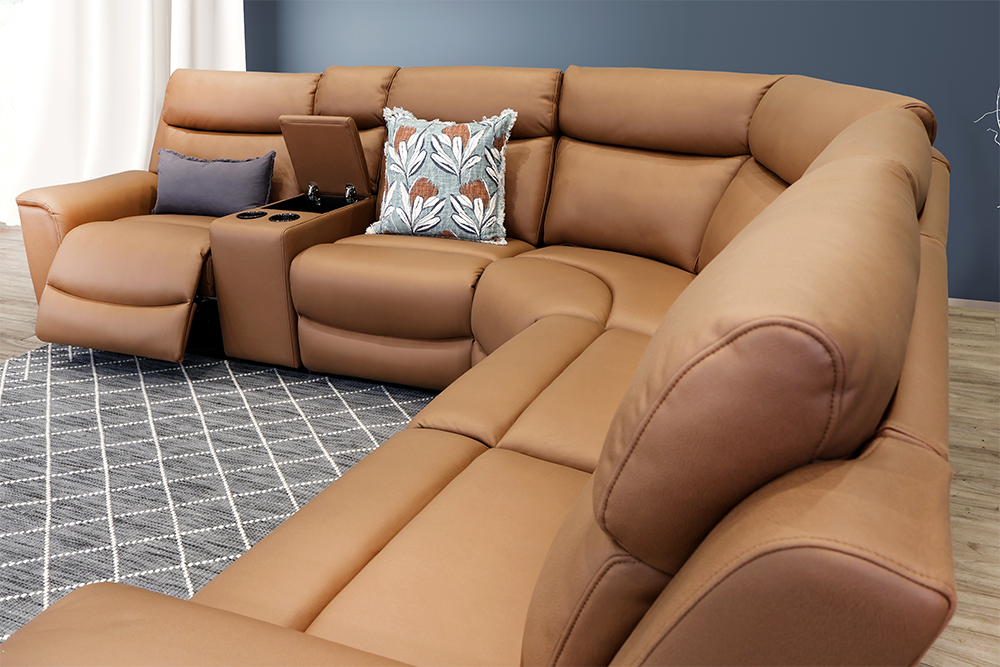
    Choose a Leather or Air Leather Lounge if: You have pets that shed heavily, family members with dust allergies, or you want an easy wipe-clean surface that ages gracefully without trapping odours, like our Aspley Lounge Suite.

    The Aspley lounge suite.

    1. Daily Comfort and Climate Control

    Australia’s changing weather puts sofa upholstery through its paces. How a material feels on your skin during a scorching February afternoon is just as important as how soft it feels in mid-July.

    Fabric Lounges

    Fabric stays cosy and neutral year-round. It doesn’t trap surface heat in summer, nor does it feel cold to the touch when you sit down on a chilly morning. Modern weave fabrics, plush textured upholsteries, and bouclé options offer a sink-in softness that makes movie nights extra comfortable.

    Leather Lounges

    Real leather and breathable air-leather options naturally regulate temperature over time, adapting to your body heat as you sit. However, if your lounge room sits in direct heat without air conditioning, leather can feel sticky under bare legs on humid days. On the flip side, leather delivers a smooth, supportive feel that doesn’t sag or bunch up over time.

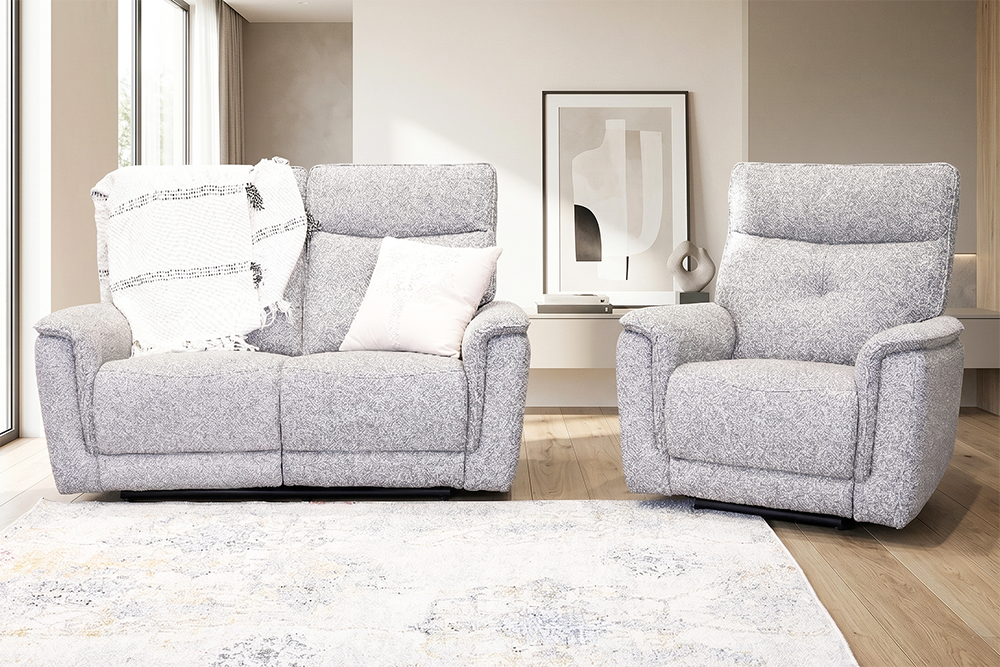
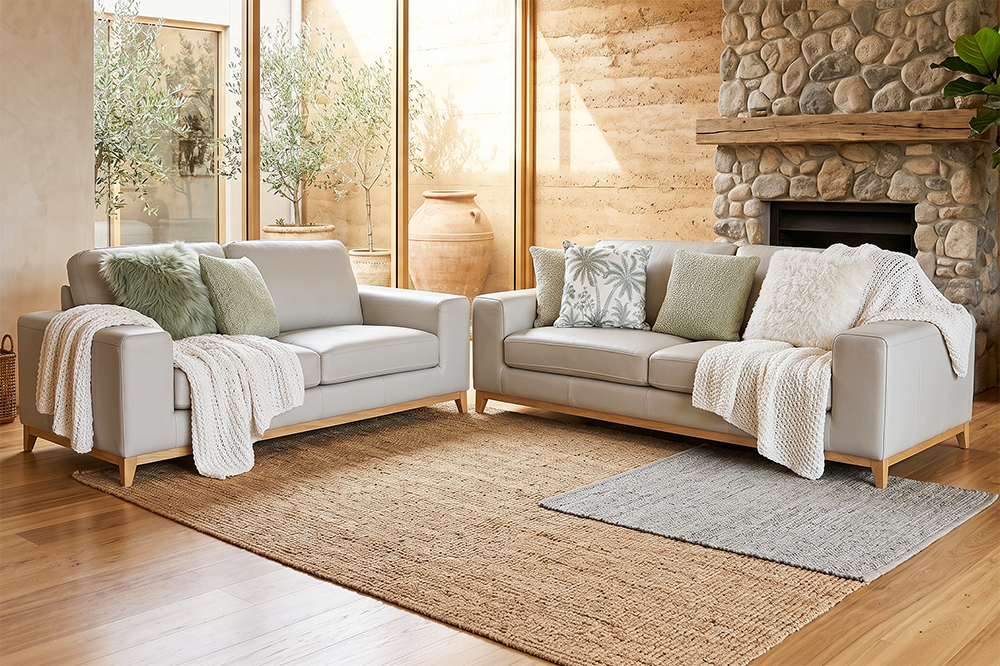
    The Arabella 3 and 2 seater sofa range.

    2. Durability, Spills, and Cleaning

    How does each upholstery material hold up when real life happens?

    Fabric: The High-Performance Contender

    Historically, fabric had a reputation for absorbing coffee spills and red wine stains. Thankfully, fabric technology has changed dramatically.

    Options like water-resistant and stain-repellent performance fabrics (featured on modular collections like the Cloud) cause liquids to bead up on top rather than soaking straight into the cushions. For standard woven fabrics, applying a protective coating like Guardsman Fabric Guard gives you a crucial window to dab away spills with a damp microfiber cloth before they set.

    Leather: The Wipe-and-Go Winner

    If you want low-maintenance cleaning, leather takes the crown. Food crumbs, split drinks, and sticky messes wipe clean with a soft cloth.

    Leather doesn’t absorb liquids, making it naturally spill-resistant. To keep it looking soft and supple, a simple leather conditioner applied every 6 to 12 months prevents cracking and maintains its natural sheen.

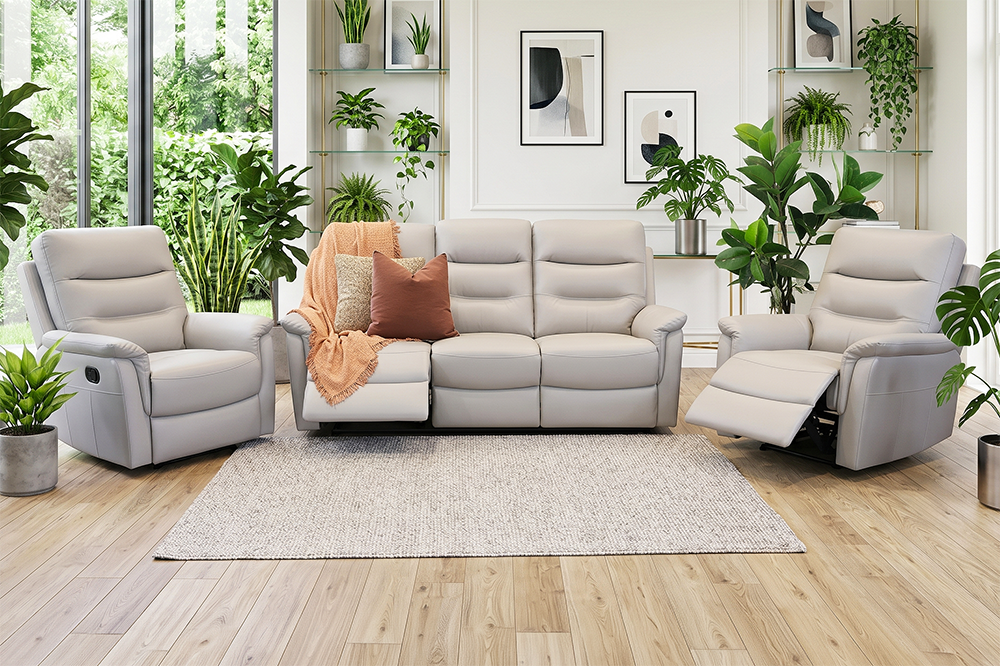
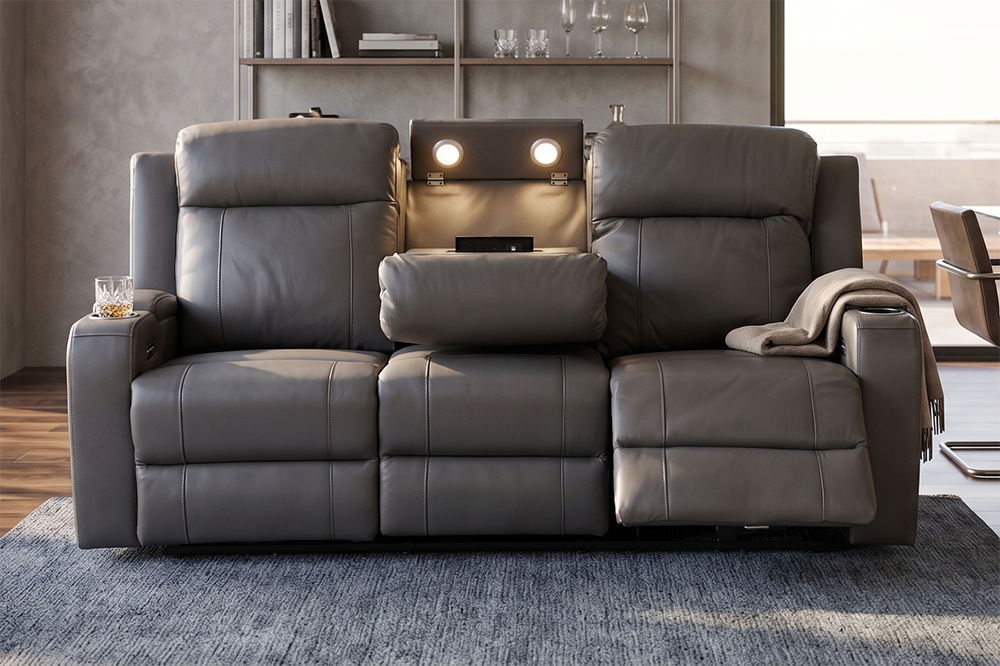
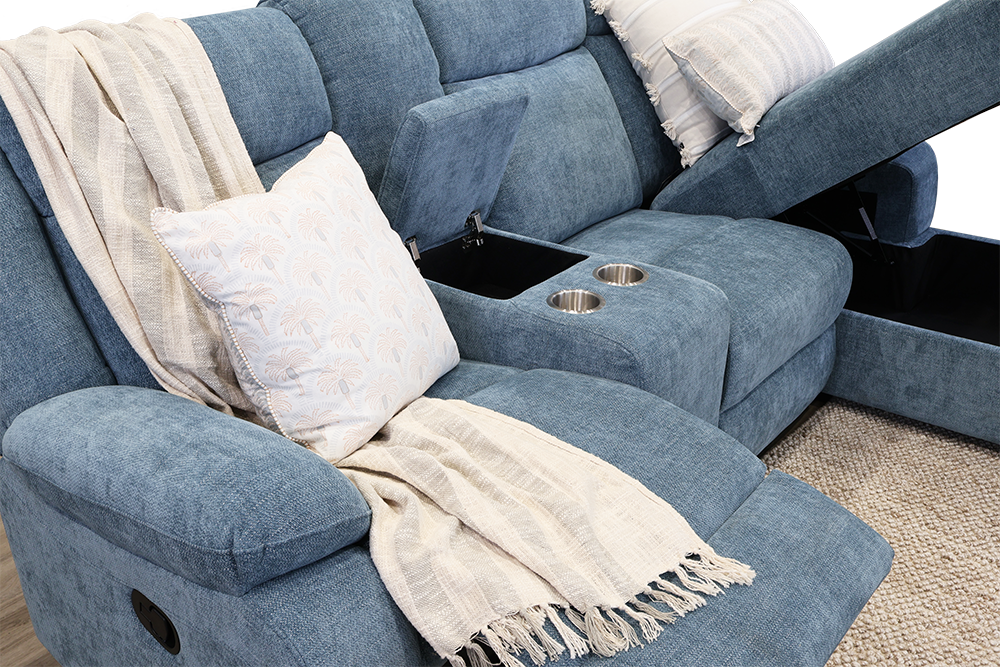
    The Liverpool 3 seater recliner lounge.

    3. Kids, Pets, and Allergies

    Your living room is a high-traffic zone. If you have dogs, cats, or young kids running around, your sofa material needs to handle sharp claws and constant activity.

    • Hair and Fur: Dog and cat hair weaves into coarse fabric fibers over time, requiring regular vacuuming. On leather, pet hair simply rolls off or wipes away instantly.
    • Claws and Scratches: Smooth leather can show surface scratches from sharp cat or dog claws. High-durability woven fabrics or tight-knit microfibers tend to hide everyday claw wear much better.
    • Allergies and Asthma: Leather is a massive win for allergy sufferers. Dust mites, pet dander, and pollen can’t penetrate leather surfaces, whereas fabric cushions trap airborne particles unless vacuumed weekly with a HEPA filter.

    4. Style, Colours, and Customization

    Your sofa often acts as the visual anchor of your living room. The material you pick sets the tone for your whole home décor style.

    • Fabric Options: Fabric gives you endless flexibility. From neutral oats, slates, and warm terracottas to deep blues and coastal greys, fabric allows you to match your walls and rugs easily. Through customization programs like ComfortStyle’s Fabric Select, you can pick specific colours, configurations, and textures to build a lounge tailored to your exact floor plan.
    • Leather Options: Leather brings a timeless, sleek aesthetic that works in modern minimalist homes, coastal interiors, and traditional spaces. While colour choices lean toward classic blacks, tans, greys, and rich browns, leather develops a gorgeous, relaxed patina as it ages.

    Frequently Asked Questions

    Which is better for back support: leather or fabric?

    Back support depends on the frame, internal foam density, and pocket spring support system rather than the outer material. However, leather lounges generally feature firmer overall surface tension, while fabric lounges tend to offer softer, contouring sink-in support.

    What is Air Leather?

    Air leather (or breathable leatherette) is a woven synthetic fabric engineered to mimic the look and wipe-clean durability of genuine leather, but with microscopic perforations that allow air to pass through. This keeps the material cooler on hot days and offers an affordable, animal-friendly alternative to traditional leather.

    How do I protect a new fabric sofa from fading?

    Australia’s strong sun can fade both fabric and leather over time. Position your sofa away from direct window sunlight, or use sheer curtains during peak sun hours. Treating fabric with protective spray helps guard against UV breakdown and discolouration.

    The Monti chaise lounge.

    The Verdict: Which One Belongs in Your Living Room?

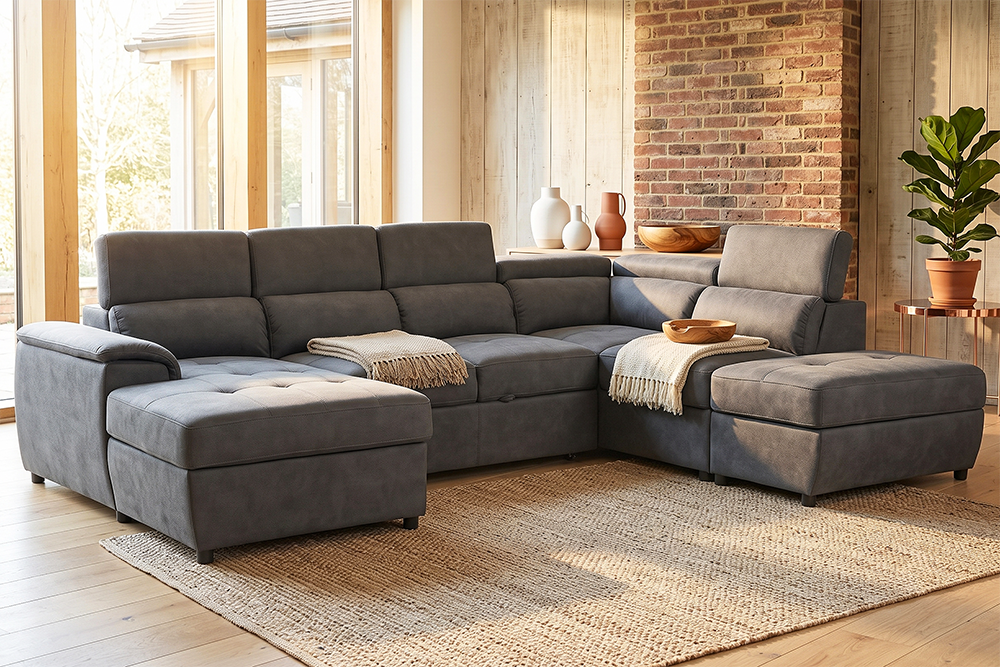
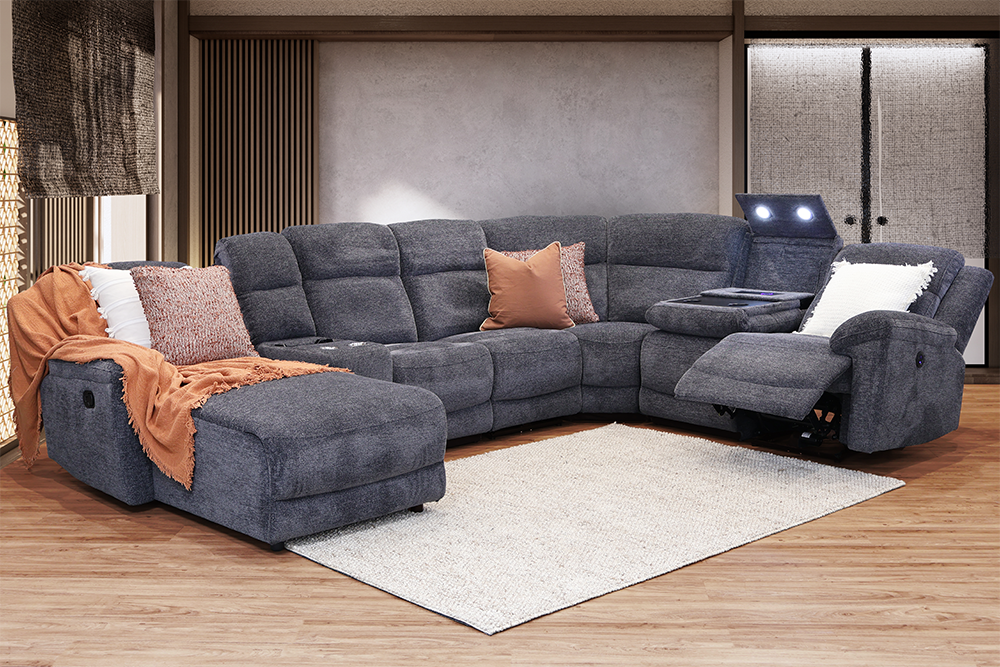
    If your priority is maximum warmth, custom colours, and sink-in comfort, a fabric modular or sofa bed is a clear winner for family relaxation.

    If your priority is quick cleanup, pet hair management, and timeless durability, a leather lounge or air-leather recliner will serve your home for years to come.

    Still torn between the two? The best way to know for sure is to test them out in person. Stop by your nearest ComfortStyle showroom across Perth and WA to sit, recline, and feel the fabrics for yourself—or explore our range online to find your perfect match today.